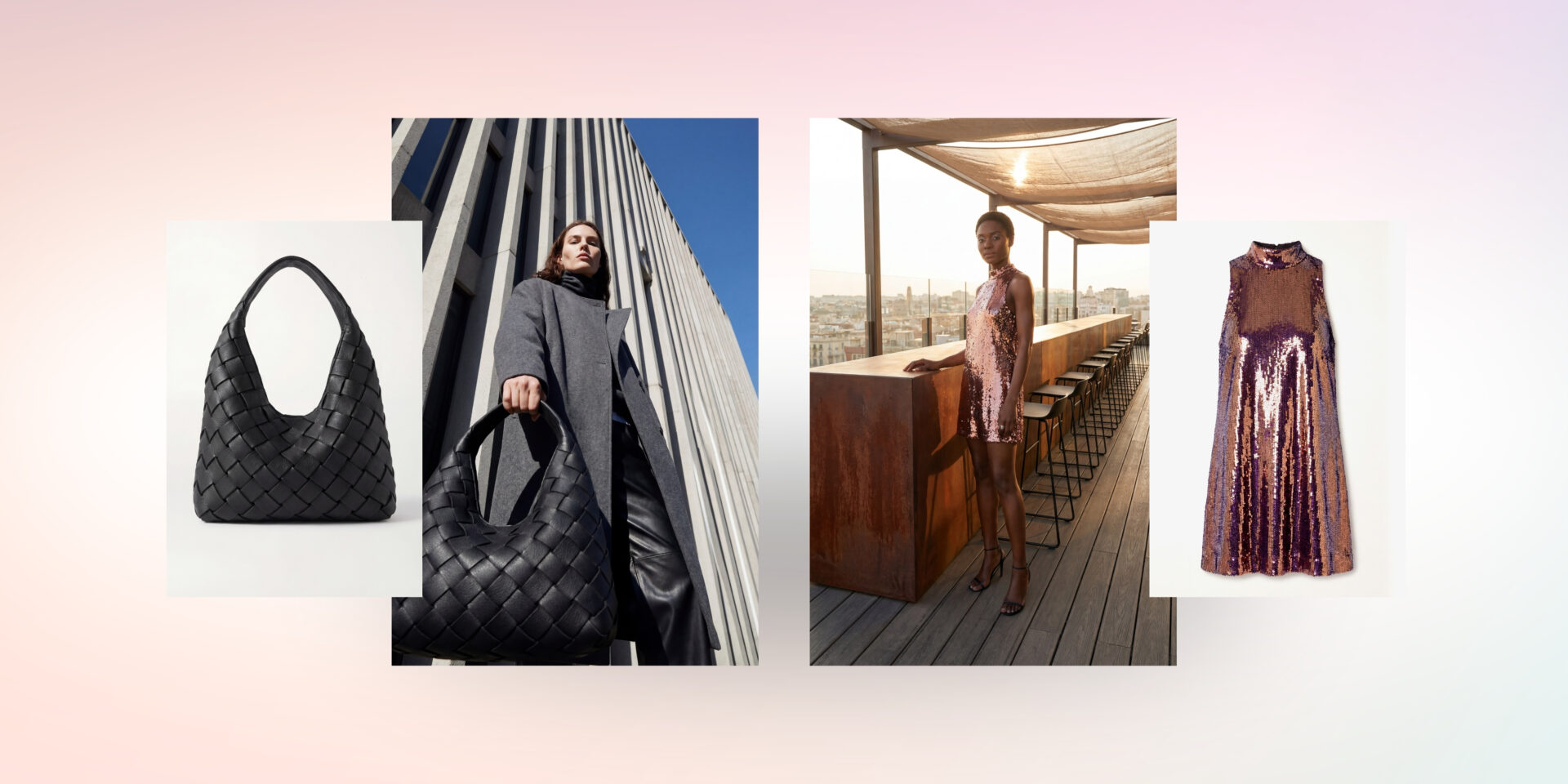
Image to Model: AI transforms product photos into realistic model shots
Image to Model: AI product photography for fashion brands
With our new AI-powered “Image to Model” technology, you can easily transform traditional fashion product images – such as shots on a mannequin – into realistic model shots. And all without the need for an additional photo shoot, model, or studio setup. The technology enables fashion brands to flexibly scale their product presentations: from static images to emotional videos. We’ll show you just how much is possible with AI-generated product photography today – and where the limits lie.

What is “Image to Model” and why is it becoming relevant right now?
Every fashion brand faces this challenge: New collections need to be showcased quickly, in various versions, and across different channels. Traditional photo shoots reach their limits – in terms of time, budget, and logistics. This is exactly where Image to Model AI comes in: The technology uses artificial intelligence to generate realistic model images from existing product photos.
Whether for fashion, shoes, or accessories: Image to Model AI helps brands showcase products faster, more flexibly, and in significantly more variations.
For brands, this means lower costs, shorter time-to-market, and visual diversity – but above all, a wider range of product presentation options. An efficient boost for fashion and lifestyle brands.
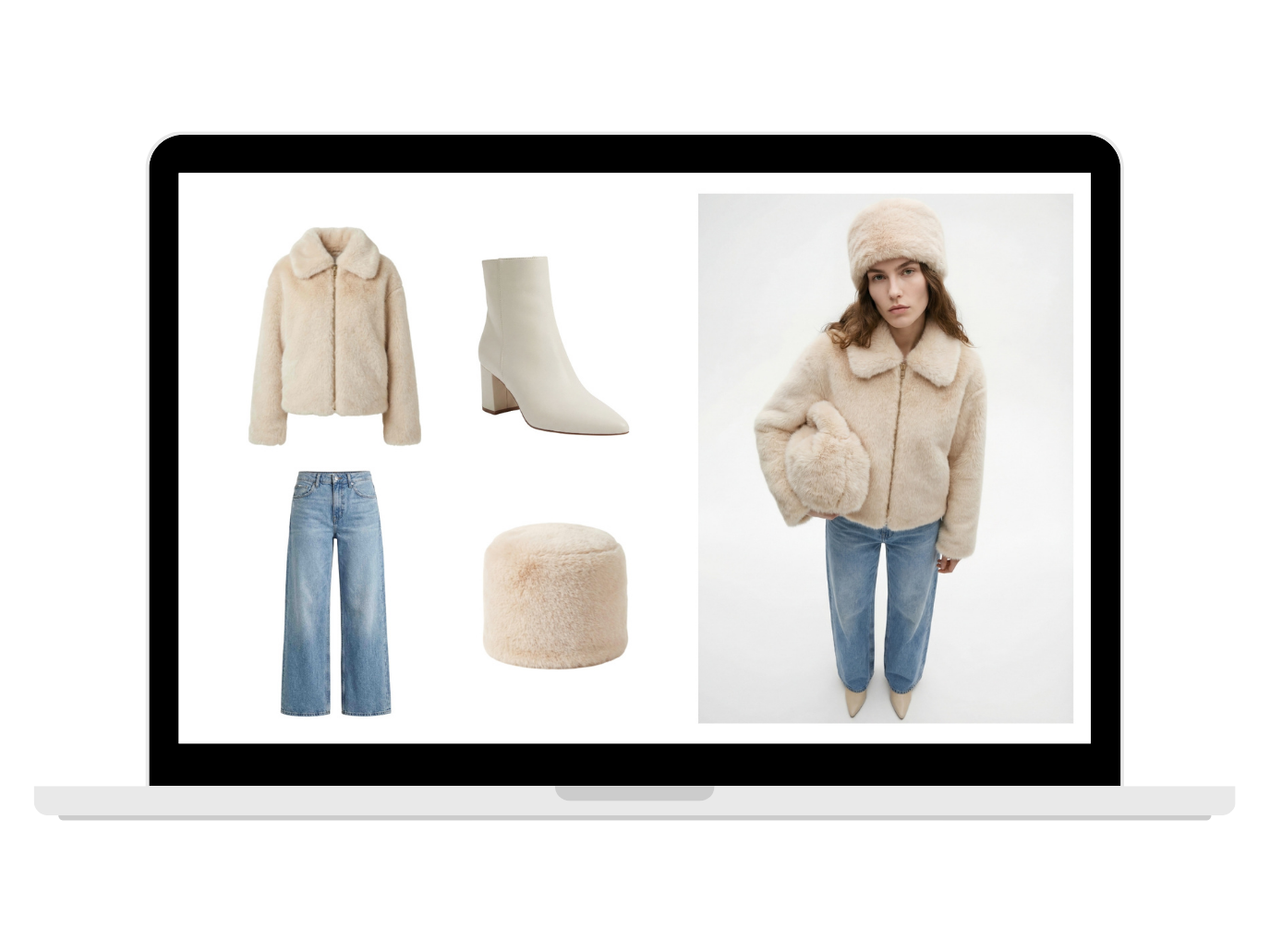
How Image to Model works: From product photos to virtual model photos
The conversion is powered by AI-driven processes that analyze your existing product images – whether photographed on a mannequin or laid flat – capture the garment’s silhouette, and then precisely visualize it on a virtual model.
The AI simulates fabric behavior, fit, and proportions – enabling realistic model photos without the product ever having been on the model in a studio setup.
This is based on high-quality product images, ideally from traditional product photography or a 360° setup. Using clearly defined prompts or predefined model styles, the garment can then be displayed on different virtual models – with variable poses, perspectives, scenes, or body shapes.
This creates an AI-powered content workflow from a single photo shoot.
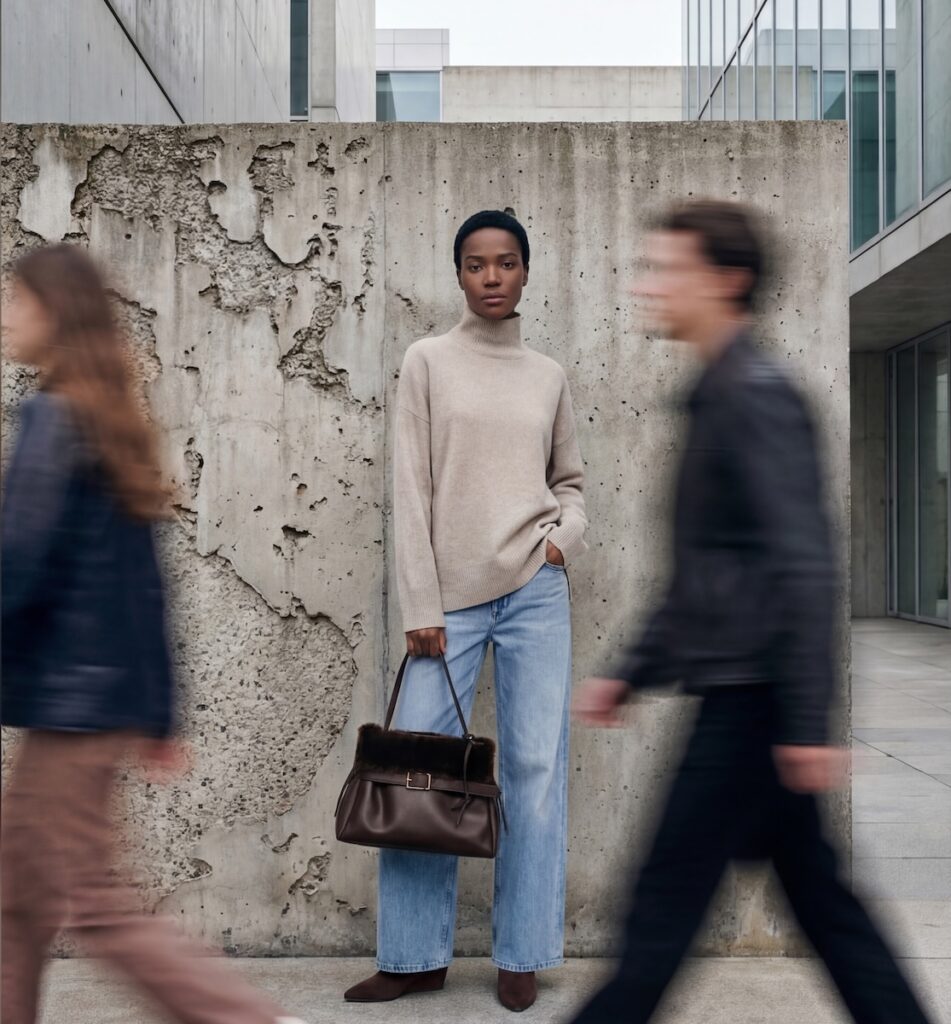
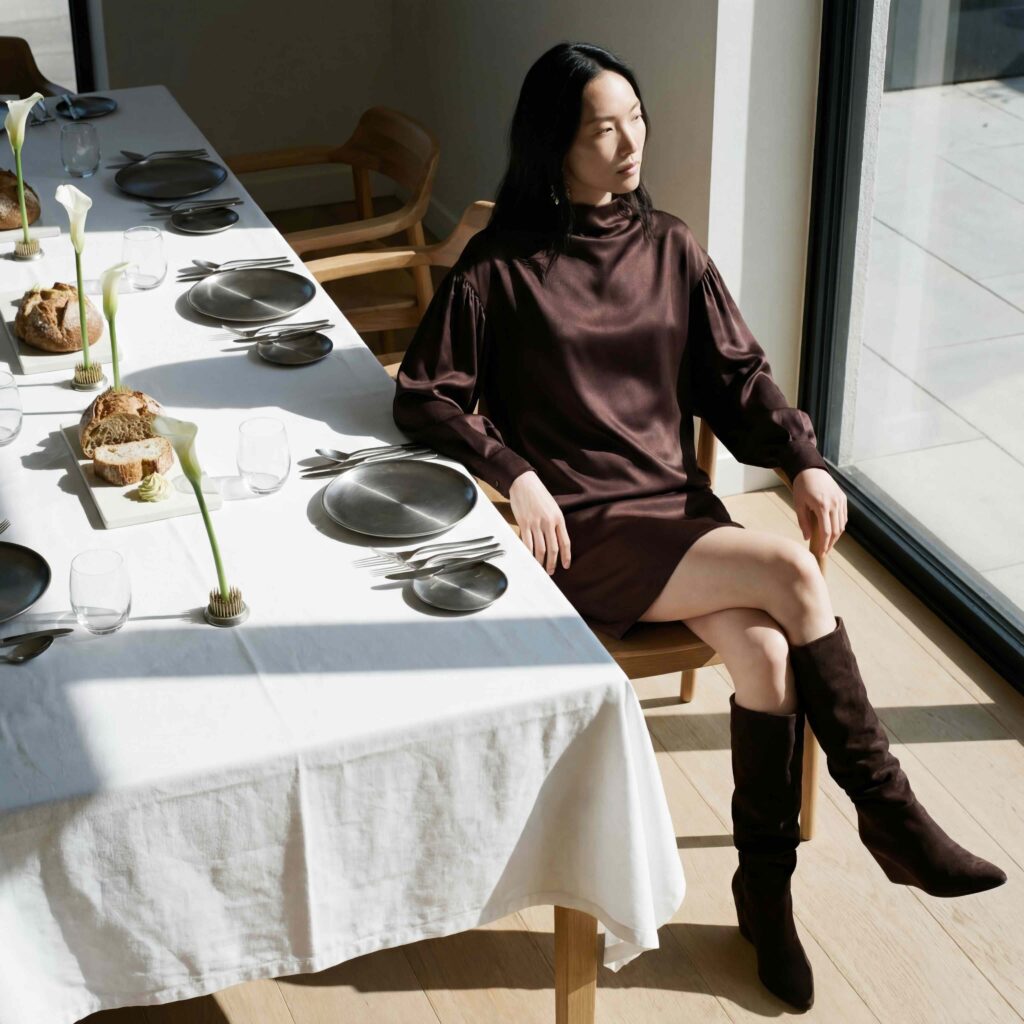
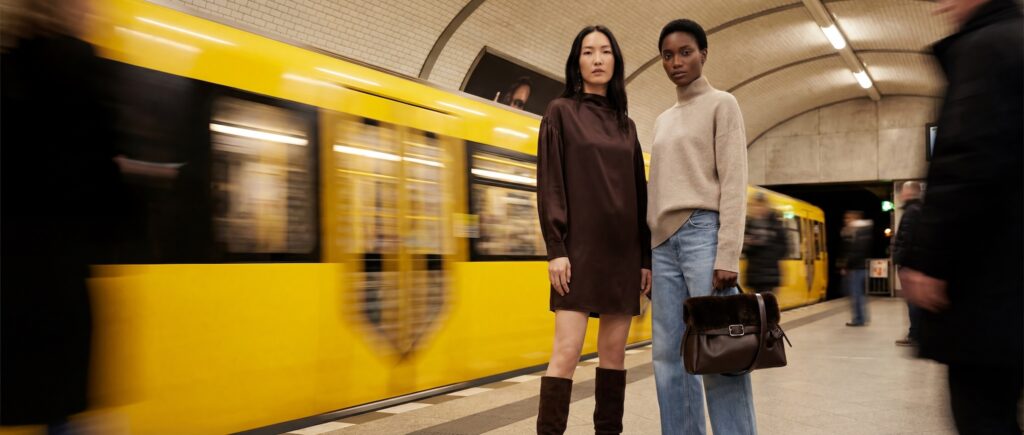
Use Cases: Where Image to Model excels in product communication
The potential applications of this AI-powered visualization technology are particularly strong in the fashion and e-commerce sectors – anywhere where clothing, shoes, or accessories need to be visualized quickly, consistently, and in a variety of ways.
Typical applications:
- E-commerce & Online Stores: Product visuals featuring models to boost conversion rates
- Social Media: Diverse, channel-optimized model visuals without the need for new photo shoots
- Campaigns & Lookbooks: Variations in style, setting, and model type
- Marketplaces: Consistent presentation despite varying requirements
- Product Variants: Color or style variants presented without the need for a new photo shoot
Image to Model really shines wherever brands want to generate more output from a single production process.
From image to motion: Image to Video as the next step
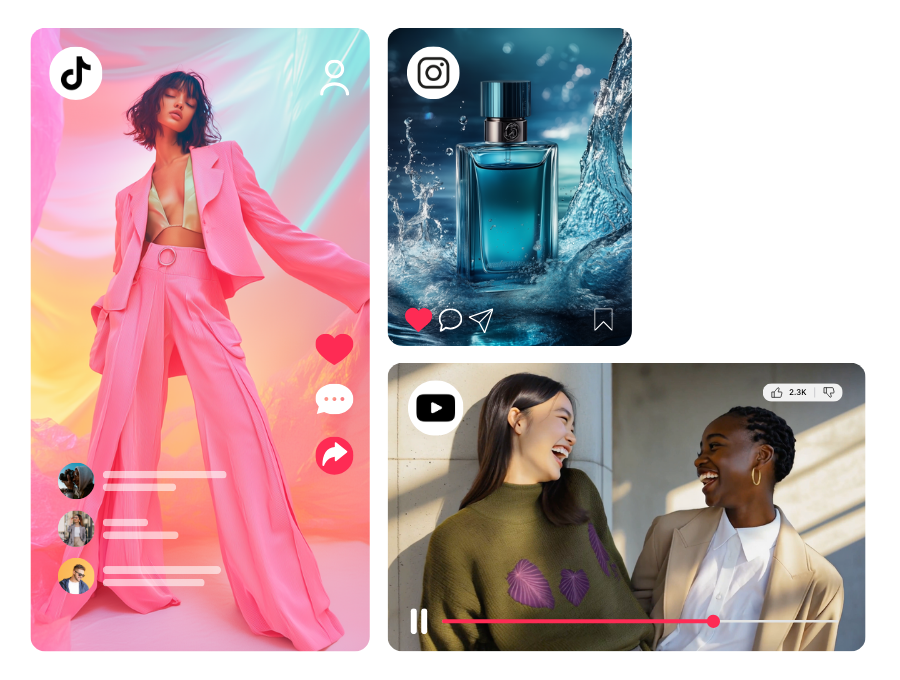
Image to Model doesn’t stop at static images. With Image to Video, AI-powered model photos can be transformed into short, animated videos – ideal for evoking specific emotions, showing movement, or telling a cohesive visual story.
Whether for social media ads, product teasers, or atmospheric lookbook sequences: Moving images grab attention and strengthen emotional connection to the brand. This gives customers a first impression of how the garment looks in motion – without the need for a time-consuming video shoot.
This workflow makes it possible to whet customers’ appetites and tell a consistent, cohesive story – from the first product image to the final video asset.
Benefits at a glance
AI-powered product photography offers significant benefits for brands looking to make their image production more efficient and diverse – without compromising brand impact or consistency.
- Cost-effectiveness: No additional model shoots required
- Scalability: Ideal for large collections or seasonal drops
- Variety: Different model types, poses, scenes, and moods
- Speed: Faster time-to-market through AI-powered content creation
- Flexible output: Social media, online store, campaigns – one workflow, many formats
- Sustainability: Significantly fewer logistical and production resources
Image to Model in practice: Our workflow for your success
As your partner, we guide brands through the entire process – from analyzing existing product images to the final AI-enhanced model photo or video. Our goal: maximum output, consistent brand quality, and the seamless integration of photography and artificial intelligence in product communication.
Here’s how we work:
1. Image and Quality Analysis
We review existing material and, if necessary, recommend optimized shooting setups to ensure the best AI results.
2. Defining Objectives & Style Concept
Together, we define model types, look and feel, and requirements for the online store, social media, or print.
3. AI Setup & Prompt Strategy
We translate brand values and visual guidelines into actionable prompts and model templates.
4. Image-to-Model Generation
We create virtual model photos, including poses, scenes, and model variations – authentic and consistent with your brand.
5. Review & Quality Control
Detailed review, optimizations, and final adjustments to ensure the most consistent results possible.
6. Delivery & Format Adaptation
Whether it’s a campaign, an online store, or social media – we deliver formats tailored to each channel.
This creates a workflow that increases brand flexibility while saving costs and resources.
Conclusion
Image-to-Model AI is no longer a distant dream – it is already a powerful complement to traditional product photography. Brands benefit from faster content production, more flexible variations, and a significantly more efficient use of resources.
Whether as a complement to photo shoots or as a scalable content engine, Image to Model opens up new possibilities for visual product communication – especially in the fashion and lifestyle segments. With features like Image to Video or customizable digital models, AI-generated photography is becoming a true game-changer.
Those who get on board now benefit twice over: through efficiency gains and a clear competitive edge in a market that is becoming increasingly visual, diverse, and cross-channel.
Want to learn how your product images can be turned into compelling product stories? We’d be happy to advise you.